
Why Every Engineering Firm Needs Modern CAD and Structural Analysis Software in 2026
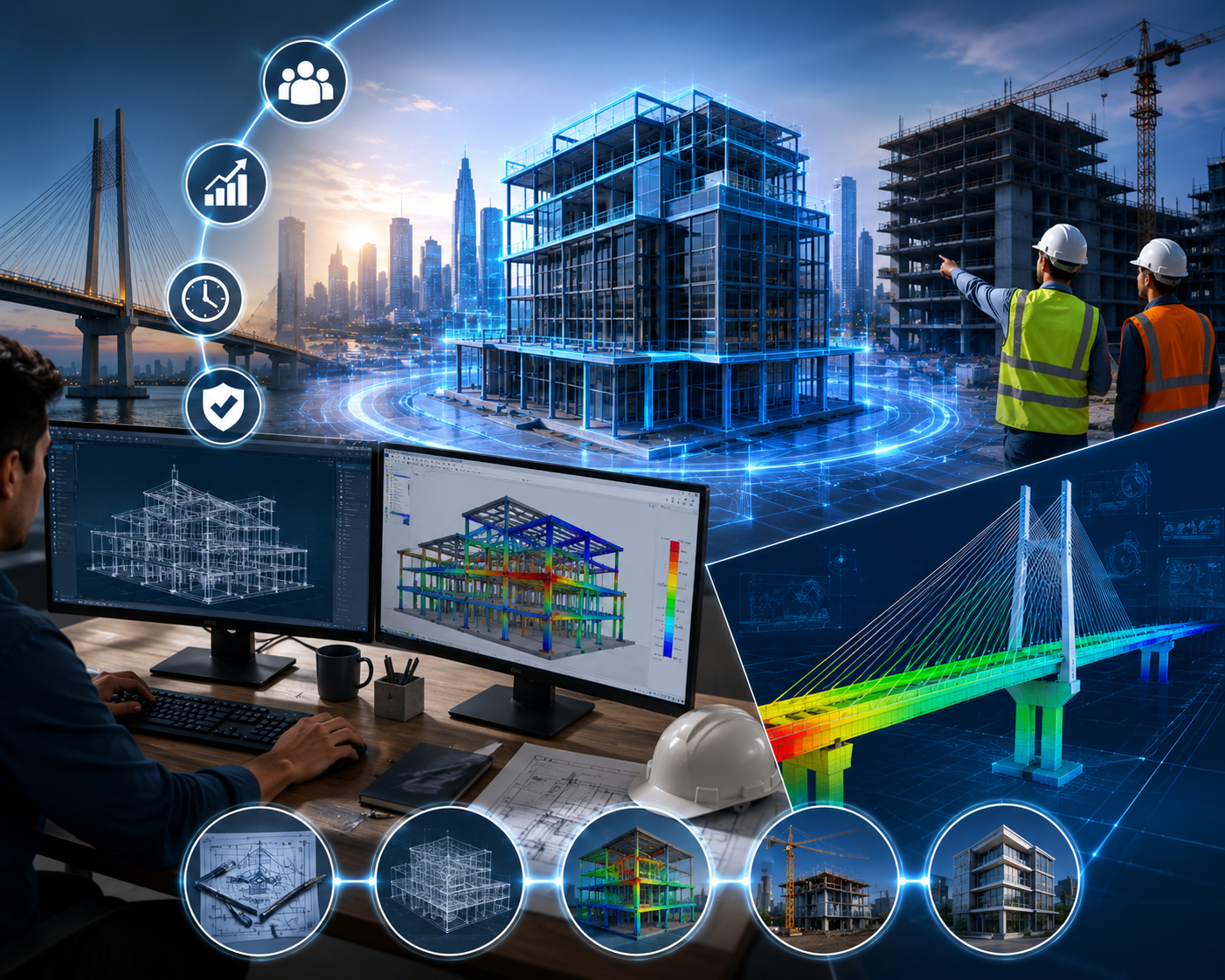
The engineering industry has always evolved alongside technology. From hand-drawn blueprints to computer-aided design, every advancement has helped engineers work faster, design more accurately, and deliver better projects. Today, the pace of change is faster than ever. Projects are becoming more complex, clients expect shorter delivery timelines, and regulatory standards continue to grow more demanding. In this environment, relying on outdated software—or worse, outdated workflows—can quickly become a competitive disadvantage. Modern engineering firms need more than just drafting software. They need connected digital tools that support the entire design process, from concept development and structural analysis to documentation and collaboration. Here's why investing in modern engineering software is no longer optional in 2026. ---
Engineering Projects Are More Complex Than Ever
Whether it's a commercial building, a highway, a bridge, or an industrial plant, today's projects involve multiple disciplines working together.
Architects, civil engineers, structural consultants, MEP designers, contractors, and clients all need access to accurate and up-to-date information. Even a small design change in one discipline can impact everyone else.
Modern CAD and structural analysis software make this collaboration much easier by keeping drawings, models, and calculations connected throughout the project lifecycle. Instead of working in isolation, teams can coordinate designs more efficiently and reduce costly errors before construction begins.
Accuracy Saves More Than Time
Engineering is a profession where precision matters.
An incorrect beam size, a misplaced foundation, or an outdated drawing can lead to expensive redesigns, construction delays, or safety concerns.
Modern software helps engineers identify potential issues much earlier in the design process. Advanced structural analysis tools allow designers to evaluate different load conditions, optimize member sizes, and verify designs before a single brick is laid.
This not only improves safety but also reduces material waste and minimizes unexpected costs during execution.
Faster Design Doesn't Mean Compromising Quality
Clients today expect projects to move quickly, but faster delivery should never come at the cost of quality.
Modern engineering software automates many repetitive tasks, allowing engineers to spend more time solving design challenges instead of manually updating drawings or performing routine calculations.
Features such as intelligent drafting tools, reusable design components, automated documentation, and integrated analysis help teams work more efficiently while maintaining consistency across projects.
The result is higher productivity without sacrificing engineering quality.
Better Decisions Through Structural Analysis
A drawing shows what a structure looks like. Structural analysis helps determine whether it will actually perform as intended.
Modern analysis software enables engineers to simulate real-world conditions such as dead loads, live loads, wind forces, seismic activity, and other environmental factors before construction begins.
Instead of relying on assumptions, engineers can make informed design decisions backed by accurate calculations.
This approach leads to safer structures, optimized material usage, and greater confidence during project approvals.
Digital Collaboration Is the New Standard
The days of emailing multiple drawing revisions back and forth are gradually disappearing.
Engineering teams now collaborate across offices, cities, and even countries. Modern software supports this way of working by allowing project files to be shared, reviewed, and updated more efficiently.
When everyone is working from the latest version of a drawing or model, communication improves and the likelihood of costly mistakes is significantly reduced.
For firms managing multiple projects simultaneously, this level of coordination has become essential rather than optional.
Staying Competitive Means Staying Current
Technology continues to reshape the engineering profession.
Clients increasingly expect consultants to deliver projects using digital workflows, coordinated models, and accurate documentation. Government agencies and large infrastructure projects also encourage the adoption of modern engineering tools that improve transparency and project quality.
Firms that continue relying on outdated software may find themselves spending more time on manual processes while competitors deliver projects faster and more efficiently.
Investing in modern engineering software isn't just about upgrading technology—it's about remaining competitive in a rapidly evolving industry.
Choosing the Right Software Matters
Not every engineering firm has the same requirements.
An architectural practice may prioritize advanced CAD tools for drafting and documentation, while a structural consultancy needs powerful analysis software to evaluate complex designs. Infrastructure consultants often require a combination of both.
The key is selecting solutions that work together seamlessly rather than relying on disconnected software for different stages of a project.
An integrated workflow improves collaboration, reduces duplication of effort, and helps teams deliver better outcomes.
Technology Is Only Part of the Solution
Even the best software delivers value only when it's implemented effectively.
Successful adoption involves selecting the right licenses, configuring workflows, training users, and ensuring ongoing technical support is available whenever it's needed.
That's why many engineering organizations work with experienced technology partners who can guide them through software selection, implementation, and long-term support.
With the right combination of software and expertise, businesses can maximize productivity while avoiding common implementation challenges.
Final Thoughts
Engineering has always been about solving problems—and today's problems demand smarter digital tools.
Modern CAD and structural analysis software help firms improve accuracy, reduce design errors, enhance collaboration, and deliver projects more efficiently. More importantly, they allow engineers to focus on innovation rather than repetitive manual work.
As the industry continues to embrace digital transformation, investing in the right engineering software is no longer simply a technology upgrade—it's a business decision that influences productivity, project quality, and long-term growth.
At *Aileron*, we help engineering firms, consultants, educational institutions, and government organizations adopt industry-leading software solutions for design, drafting, structural analysis, and project delivery. From licensing and implementation to training and technical support, our goal is to help organizations build smarter engineering workflows that are ready for the future.
Modern software improves accuracy, collaboration, productivity, and project coordination while reducing manual work and design errors.
Not every project requires advanced analysis, but for structural engineering, infrastructure, and complex building projects, it plays a vital role in ensuring safety and code compliance.
Yes. Today's CAD platforms support better file sharing, coordinated workflows, and easier communication between multidisciplinary teams.
The right solution depends on your projects, industry, team size, and future growth plans. Working with an experienced software partner can help you select tools that best fit your business requirements.